

Like last year, I wanted to do a wrap-up ranking my favorite horror movies of the year just past. Unlike last year, I didn’t have as much time to see quite as many new horror films as I would have liked, though I still managed to get my list to twenty films that I really enjoyed and would recommend (with caveats, in a few cases). Please note, though, that some films that I saw on a lot of people’s favorites lists (such as Heart Eyes, Final Destination: Bloodlines, Clown in a Cornfield, and Black Phone 2, for example) I didn’t get a chance to check out yet, and some new films I did manage to see (Wolf Man, V/H/S Halloween) were okay but sort of disappointing.
All that out of the way, here are my twenty favorite horror movies of 2025, in roughly the descending order that I liked them (in other words, starting with my “least” favorite and working my way toward the biggies).
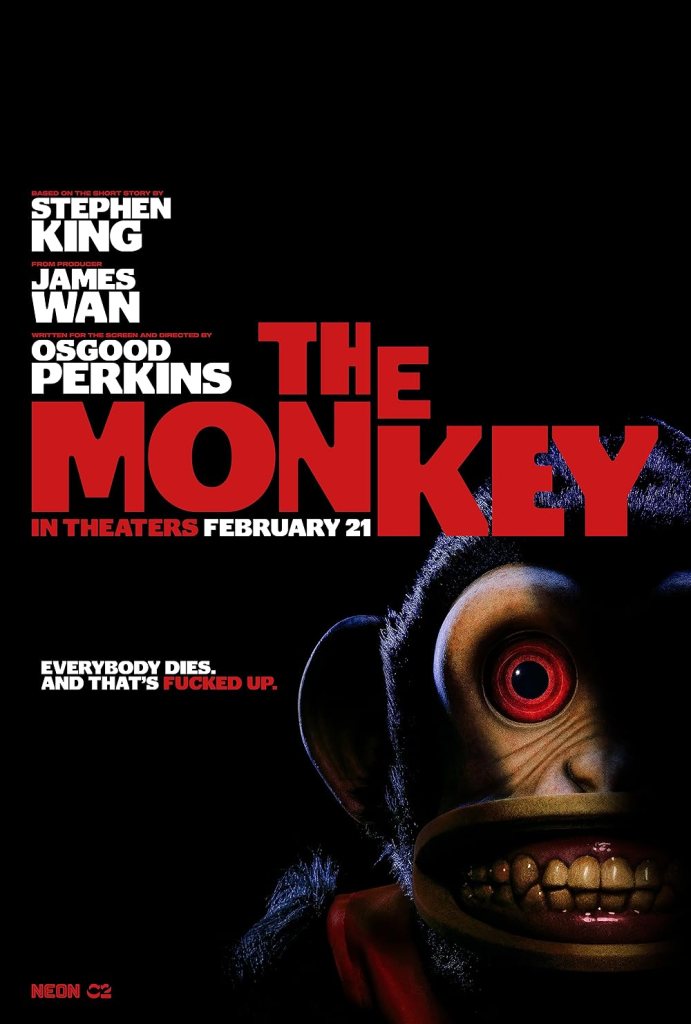
20. The Monkey
This one seemed to be pretty divisive, especially since I feel like most audiences (me included) weren’t expecting it to be a black comedy. Directed by the awesome Osgood Perkins (whose Longlegs was on my list last year, and whose Keeper I unfortunately didn’t see in time for this review) and based on a 1980 short story by Stephen King, The Monkey takes the bones of the original tale and basically winds it up into something nastier, funnier, and way more unhinged than “cursed toy movie” has any right to be.
We’re in that familiar Stephen King zone of Maine where bad things are basically written into the HOA agreement, and we follow twin brothers Hal and Bill (both played by Theo James) whose childhood goes permanently off the rails after they find their dad’s old wind-up monkey in the attic. And no, this isn’t a cute little Curious George situation—this thing is a cursed little demonic asshole. When the monkey starts drumming, you can practically hear the universe cracking its knuckles and preparing for some cosmic whoop-ass.
Years later, the monkey resurfaces (because of course it does), dragging the now-estranged Hal and Bill back into each other’s lives and reopening old wounds that never really healed. What I really liked about The Monkey was its commitment to escalation: each new kill is more outrageous than the last, like Death itself is trying to one-up previous atrocities. Perkins understands that the fear isn’t just in the gore—it’s in the anticipation, that awful little moment when the cymbals start going and you know someone’s about to die in some wildly improbable Final Destination-style way… you just don’t know what flavor of nightmare you’re getting yet. The result is a horror-comedy that feels cruel, clever, and weirdly cathartic, and proudly features a woman exploding over an electrified motel pool. How can you not love that?
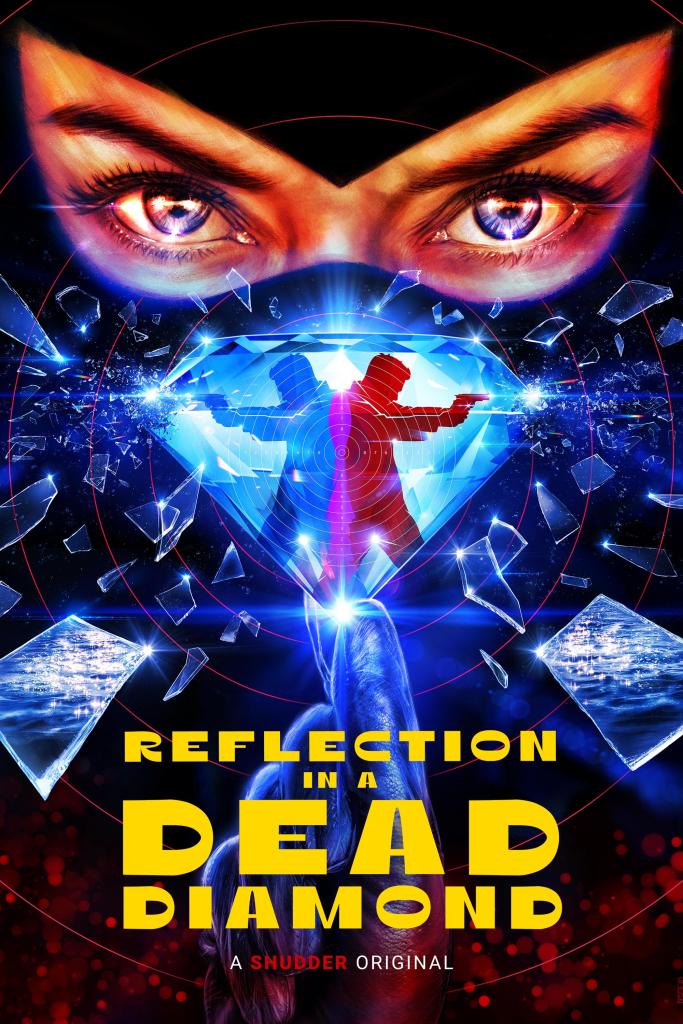
19. Reflection in a Dead Diamond
When I mentioned caveats about recommending stuff earlier, this was one of the main films I was talking about. Although I really dug it, please be advised that the target audience for this is going to be vanishingly small, being comprised of weird folks like me who swoon over 1960s spy movies or parodies of same (think Mario Bava’s Danger: Diabolik and that ilk), 70s giallo flicks, and European arthouse cinema that doesn’t make a whole lot of sense but is stunningly gorgeous to look at. Seriously, it’s one of the best-looking films I saw all year, and I also spent half of it going, “I…think I understand what’s happening…” (I did not.)
Known as Reflet dans un diamant mort in its native France, this isn’t straight-up horror in the slasher sense—but it’s a surreal fever dream of memory, menace, and mind-bending images that will haunt you just as fiercely. At its center is John Diman (played by Fabio Testi as an old man, and Yannick Renier as a young one), a debonair septuagenarian ex-spy lounging in a luxury hotel on the Côte d’Azur, his sun-soaked retirement disrupted when the enchanting lady next door disappears without a trace. What follows is less “solve the mystery” and more “descend into a hallucination,” as the boundary between past and present (and reality and fiction) collapses in kaleidoscopic flashbacks to John’s glamorous, brutal spy days—complete with a seductive, face-changing assassin, a femme fatale clad in a dress made of recording mirrors, and weaponized style that feels like Bond filtered through a vividly bad acid trip.
Directors Hélène Cattet and Bruno Forzani (who also directed the similarly beautiful but baffling giallo homage, Strange Color of Your Body’s Tears, which I reviewed here) treat narrative like a jazz solo—loose, hypnotic, and dangerously stylish—splicing timelines, identities, and genre tropes until your brain feels both dazzled and just slightly off-kilter. It’s a film that feels like cinema itself: unmoored, indulgent, and utterly sensory. If you go in expecting something coherent, it’s going to chew you up and spit you out in shiny shards—but if you just surrender and let it wash over you, it’s kind of incredible. And yes, it does make some sense by the end. Sort of. (Don’t ask me to explain it.)
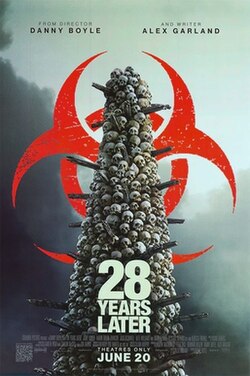
18. 28 Years Later
Another divisive one—and no, I didn’t love it as much as the original, because how could you, but I also didn’t have the same issues some people did. I do understand why folks were yelling at the screen at the ending, though I’m reserving judgment until the next one drops in January.
Director Danny Boyle and writer Alex Garland bring the franchise into a new era of post-apocalyptic horror that feels both eerily familiar and wildly unpredictable. Nearly three decades after the Rage Virus devastated Britain, survivors are living on a fortified island near Lindisfarne, and a kid named Spike (Alfie Williams) has never known a world without infected monsters out there beyond the tidal causeway. Life is weirdly calm until Spike and his father Jamie (Aaron Taylor-Johnson) head to the mainland for a hunting trip/rite of passage, and stumble into a new ecosystem of horrors, including grotesque slow-crawlers and terrifying “Alpha” infected who are bigger, faster, and much more weapon-resistant than the run of the mill shamblers.
Spike’s journeys onto the mainland—first with his father and then accompanying his mother to see a mysterious doctor that he hopes will be able to treat her illness—quickly becomes less about surviving the infected and more about confronting the emotional wreckage of a fractured family trying to hold onto its humanity, and the creeping realization that the living can be just as unforgiving as the dead.
I’d also be remiss if I didn’t bring up Ralph Fiennes’ excellent turn as Dr. Ian Kelson; the segment featuring him and his “memento mori” was the highlight of the movie for me.
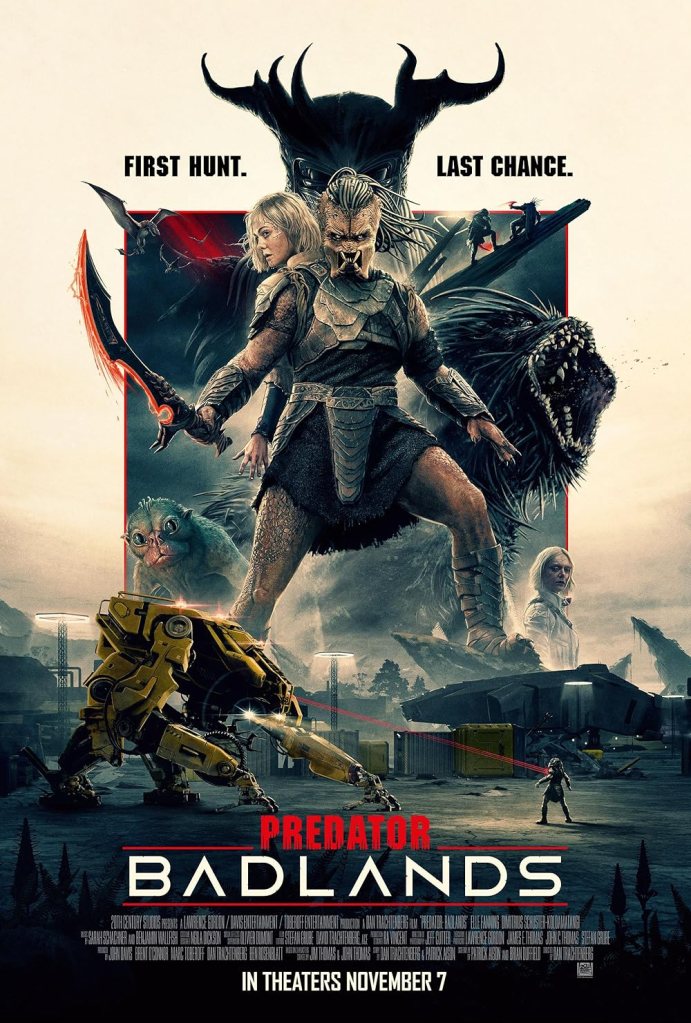
17. Predator: Badlands
I’ll be real: I wasn’t even that hyped for this one. I was like, “How much gas can possibly be left in the Predator tank?” Turns out: enough for a movie that’s basically just pure fun, with an unexpectedly sweet little found-family heart beating underneath all the skulls and carnage. Also, it’s mostly from the Predator’s POV and uses a ton of their language, which is honestly a pretty cool idea.
On Yautja Prime, we follow Dek (Dimitrius Schuster-Koloamatangi), a runty young Predator whose father wants to kill him for being “weak” (which is hilarious because by human standards he could lift a Ford F-150 with one arm). Determined to prove himself, he heads out into the brutal badlands of planet Genna to hunt the legendary Kalisk, a beast with a reputation for being basically unkillable. Instead of the usual “humans running and screaming” formula, the movie leans into something almost mythic—like a savage sci-fi fairytale, complete with tribal honor codes and gorgeous alien landscapes where literally every single thing is out to maim, murder, or eat you (or perhaps all three).
Early in his odyssey, Dek stumbles upon Thia (Elle Fanning), a damaged Weyland-Yutani android stranded far from home and missing half her parts. What begins as a reluctant alliance quickly becomes the emotional backbone of the film, with Thia’s sharp wit and unexpected empathy cracking open Dek’s warrior shell as they navigate hostile beasts, treacherous terrain, and the twisted politics of Predator society itself. There are brutal fights and jaw-dropping visuals, but the best thing about the movie is the oddball camaraderie between Dek, Thia, and a little creature named Bud (Rohinal Narayan) that they find along the way, which demonstrates that no matter what family or circumstances you come from, you can make your own way in the world on your own terms.
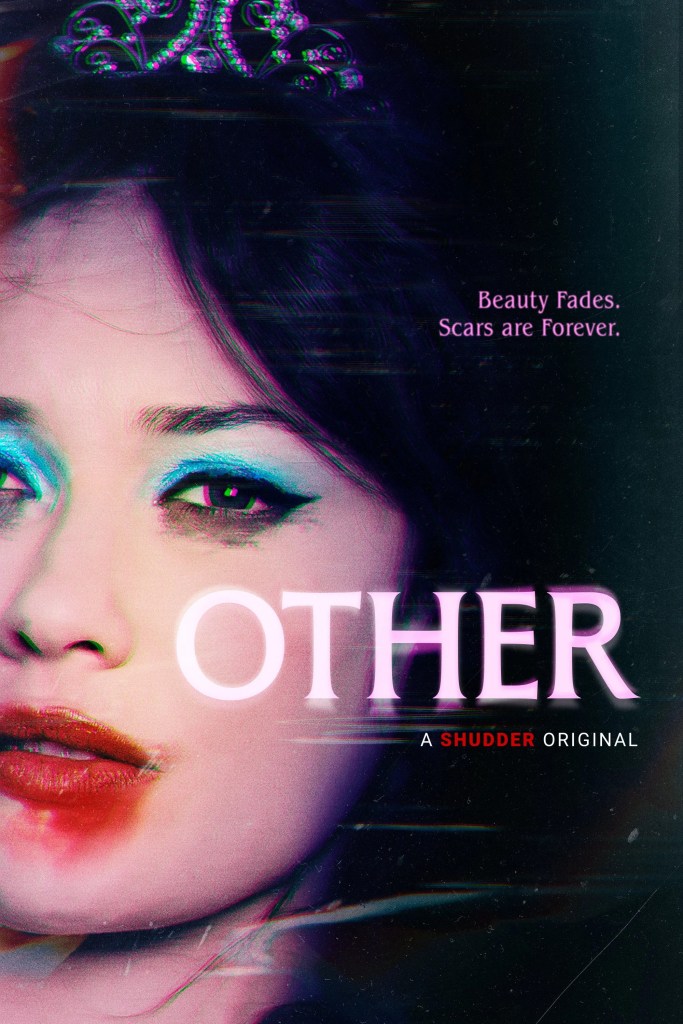
16. Other
This was one that wasn’t even on my radar until I saw it mentioned on a couple of other lists, and I happily found it streaming on Shudder. I was totally on board after I watched the creepy trailer and then noticed that the movie was directed by David Moreau, who also helmed the excellent Them (aka Ils from 2006), and 2024’s MadS (which appeared on my favorites list last year). Though the director is French, the movie is in English, unlike his previous ones.
Here, Olga Kurylenko plays Alice, who returns to her estranged mother’s isolated home after her mom is found dead under bizarre circumstances. The house feels frozen in time…and also feels like it’s watching her, because it basically is: there’s a surveillance system, alarms going off for no reason, and the general sense that the place has been holding its breath waiting for her to come back. Strange noises. Shadows in the corner of frames. Woods outside that feel less like nature and more like a hungry mouth.
Then you’ve got the creepy neighbor kid who keeps telling her to wear a mask, and these glimpses of something skittering around like a person-shaped mistake in the periphery. As Alice unravels, the movie starts tying the house’s “haunting” to her upbringing—a strict, domineering mother who raised her like a project and pushed her through brutal beauty queen grooming. The ending is a little abrupt (and slightly underwhelming), but overall it’s a solid, eerie, weird little slow-burn that kept me locked in.
15. Dead Talents Society
This Taiwanese horror comedy, directed and co-written by John Hsu, technically came out in its native country in 2024, but it wasn’t widely available here until this year, so I’m counting it. This was another one I just happened across on several other people’s favorites lists, even though I hadn’t heard of it. I actually found this one on Netflix, believe it or not (at least in the US).
Dead Talents Society drops you into a hell that’s somehow both glamorous and grotesque: an afterlife where ghosts don’t rest in peace—they compete for relevance, notoriety, and the right to linger among the living. Imagine if Beetlejuice and Monsters, Inc. had a goofy, blood-spattered love child that also winked at The Ring and Ju-On, with maybe a dash of The Frighteners, and you’re halfway there. In this universe, spirits must haunt with flair or face permanent obliteration; it’s a marketplace of fear where fame is currency and screams are the product. Our protagonist—an awkward, newly deceased young woman simply called The Rookie (Gingle Wang)—finds herself on a ticking clock when she discovers her most precious token (a piano competition certificate that anchors her existence) has been tossed out by her sister, dooming her to fade unless she can earn her place in the titular Society and become an urban legend whose ghostly exploits are repeated the world over.
This isn’t just a wacky comedy about spirits desperate for fame, though; it’s actually a pretty compelling satire. The ghost world mirrors our own obsession with clout, viral content, and the exhausting churn of influencer culture. The Rookie’s early haunting attempts are hilariously pathetic—she’s about as intimidating as beige paint—and watching her flail through auditions and ghostly “scare gigs” is equal parts cringeworthy and heartbreaking. Soon enough, though, she meets a ragtag crew of undead misfits: her cheerful but world-weary friend Camilla (Bai Bai), a past-her-prime diva ghost named Catherine (Sandrine Pinna) desperate to reclaim her former glory, and Makoto (Chen Bolin), a sleazy-but-kind talent agent who sees something in her that no one else does. Their hunt for a signature scare plays out across haunted hotels, influencer bait setups, and televised ghost contests that feel like the worst reality TV mashup you never asked for.
As the Rookie stumbles from one humiliating haunting gig to the next, the film cleverly threads a universal tale of insecurity, comparison, and the desperate need to be seen, even beyond the grave. There’s gooey gore gags, absurd set pieces, and some surprisingly real emotional stakes…and yes, I got a little misty at the end. The hustle never ends, even when you’re dead.
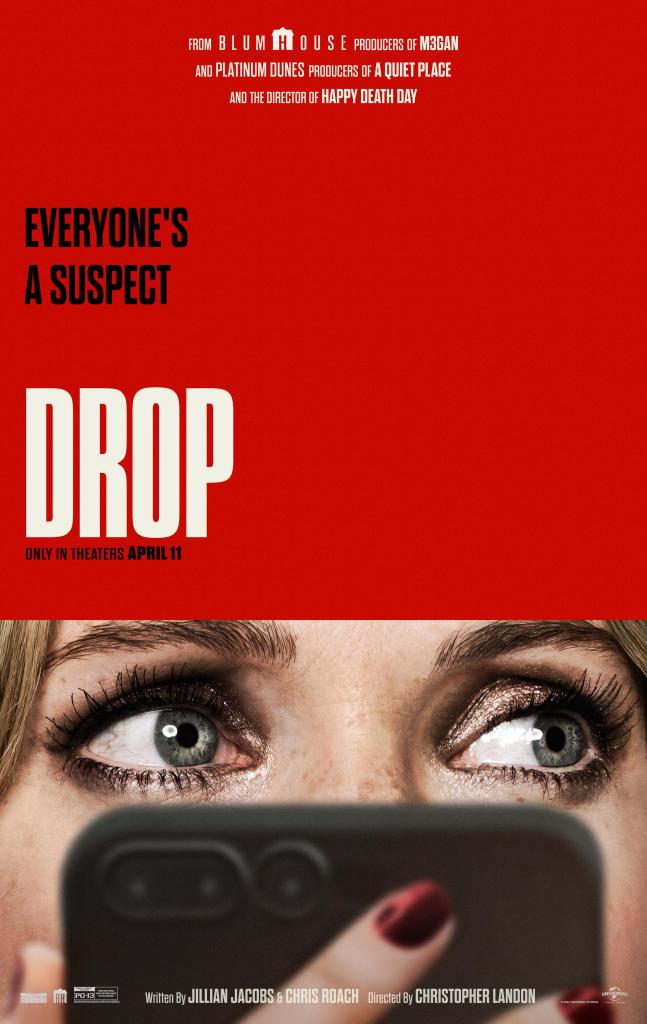
14. Drop
More thriller than horror but still a damn good time for all that, Drop was directed by Christopher Landon (who gave us the awesome Happy Death Day and its sequel, among many other things) and wrings maximum tension out of a simple, nearly one-location set-up.
Violet (Meghann Fahy), a widowed single mom, goes on a first date with Henry (Brandon Sklenar) at a swanky high-rise restaurant in Chicago. It starts cute and awkward but promising…and then her phone starts getting anonymous “drops” through an app called DigiDrop, and those messages quickly turn into blackmail from someone watching her right now. The whole place becomes a paranoia maze: is it the guy at the next table, the waiter, the prom kids, the bartender, the dude breathing weirdly? Every little ding of her phone feels like a bomb going off, and as the stakes escalate, you’re desperately scanning the restaurant right along with her, wondering what in the fuck is going on and how Violet is going to get out of this mess.
What makes it work is that Violet isn’t helpless. She’s a survivor of past domestic abuse, and the movie is basically a pressure cooker about fear versus agency—how to keep your head when someone is turning your own choices into weapons. It’s tense, it’s fun, and it made me want to throw my phone into a lake.
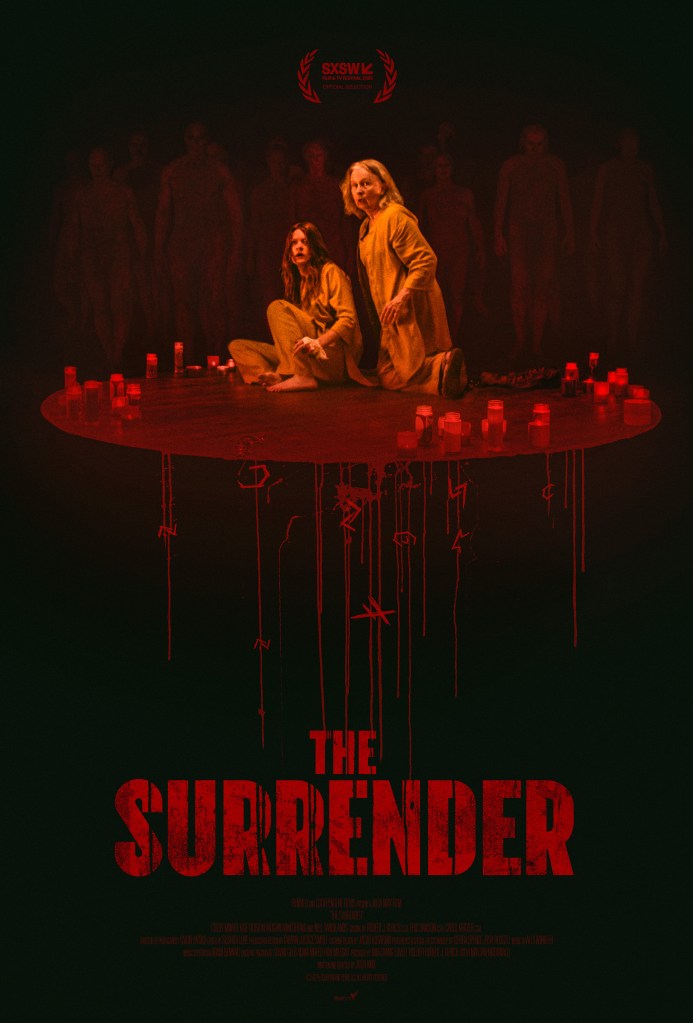
13. The Surrender
Written and directed by Julia Max, The Surrender is another film based almost entirely in one location that really makes the most of its limited scope. If you dug 2016’s A Dark Song, give this one a look; it’s a similar premise, but executed a bit differently.
Megan (Colby Minifie) comes home to help care for her dying father Robert (Vaughn Armstrong), and she immediately starts clashing with her mother Barbara (Kate Burton), whose grief is already turning weirdly obsessive and ritualistic. The first half of the film is basically them arguing—and I mean that as a compliment. It’s brutal, raw, and painfully believable in a way that made me want to hand both actresses an award and the name of a good therapist.
After the father dies, Barbara reveals she’s already lined up a mysterious figure who promises nothing less than resurrection of the dead, and she drags Megan into a ritual that feels like equal parts séance and psychological torture. It’s definitely grief horror, focusing on the terrifying shit that can happen when you can’t let go of a loved one—and the ending is bleak as hell.
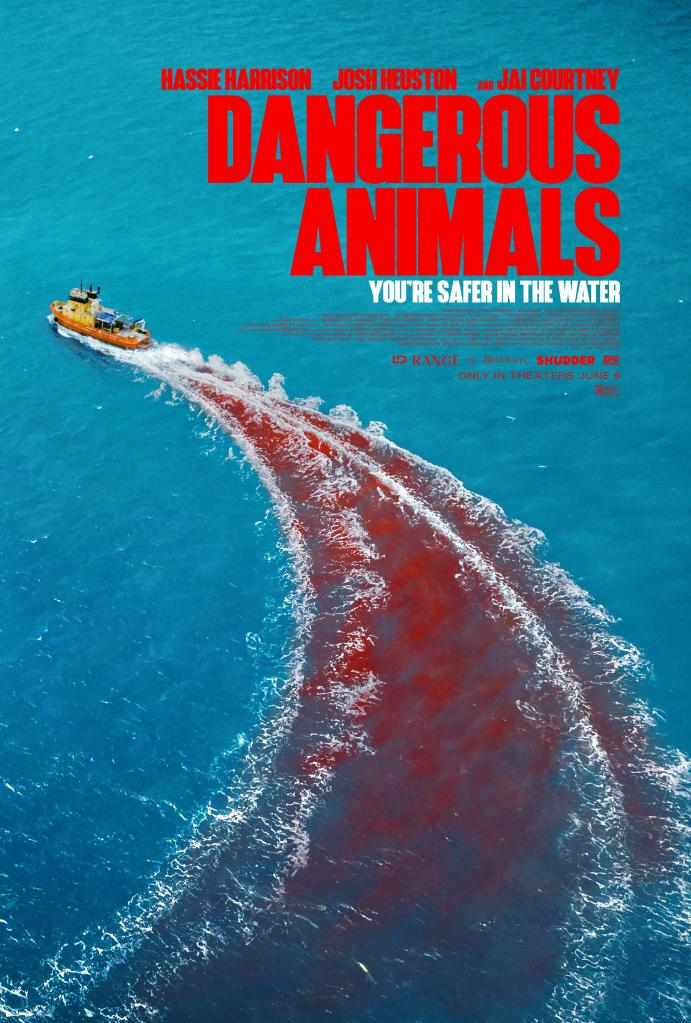
12. Dangerous Animals
A fun, violent survival horror by Australian director Sean Byrne (also responsible for two other excellent movies, 2009’s The Loved Ones and 2015’s The Devil’s Candy), Dangerous Animals takes two tired horror tropes (serial killers and sharks) and combines them into a wildly entertaining cat and mouse game on the high seas.
Zephyr (Hassie Harrison) is a free-spirited American surfer chasing the perfect swell along Australia’s rugged Gold Coast, hanging loose and avoiding attachment after drifting through life in her van. A chance meet-cute with a sweet local named Moses (Josh Heuston) gives her just enough warmth to almost believe in connection again—but fate, salty and cruel, punts her straight into omnivorous terror. What begins as a thrilling ocean adventure quickly spirals into a nightmare when Zephyr is abducted by Tucker (Jai Courtney), a deceptively cheerful boat captain whose obsession with sharks has warped into something profoundly monstrous.
Tucker isn’t your garden-variety killer; he’s a shark-obsessed psychopath who lures unsuspecting tourists aboard under the guise of “adventure,” only to turn them into bait for the hungry ocean below. Held captive in the claustrophobic belly of his boat with the endless blue pressing in from all sides, Zephyr must confront not just the terror of what lurks beneath the waves—but the man who treats human life like chum.
Jai Courtney’s performance as Tucker—a sunburned, charming, and unhinged hunter with real Mick Taylor from Wolf Creek vibes—gives the film a grotesque energy that’s as compelling as it is chilling. Against this backdrop, Zephyr’s grit and wits come to the fore, turning her into a determined survivor rather than a helpless victim. Dangerous Animals isn’t doing anything groundbreaking, but it’s a hell of a good ride.
11. Fréwaka
Written and directed by Irish filmmaker Aislinn Clarke and filmed almost entirely in the Irish language, the folk horror Fréwaka was another one that technically came out in the UK in 2024, but didn’t hit our shores until later, so it’s going on a 2025 list. Sue me.
The story centers on Siubhán “Shoo” Ní Bhroin (Clare Monnelly), a nursing student still raw from her estranged mother’s suicide, who takes a live-in caregiving job in a remote Gaeltacht village. Her assignment: tend to Peig (Bríd Ní Neachtain), an elderly, cranky, fiercely independent woman recovering from a stroke who claims she was snatched decades ago by the Na Sídhe—the fearsome fairy folk of Irish lore. The house is full of protective charms, red-painted doors, and an oppressive atmosphere that hints at ancient evil.
The villagers are evasive, the house is suffocating, and the whole movie has that “the veil is thin here” vibe that folk horror does best. Peig’s frantic rituals and whispered warnings about “them” could be the ramblings of paranoia, or they could be windows into truths older than Christianity itself. Shoo starts slipping between skepticism and unease as uncanny events pile up and her own buried memories start boiling over. It’s slow, eerie, and soaked in trauma and history—exactly the kind of folk horror that sticks to you. I’d definitely recommend it to fans of the original Wicker Man, as well as maybe the 2015 Colin Hardy Film The Hallow.
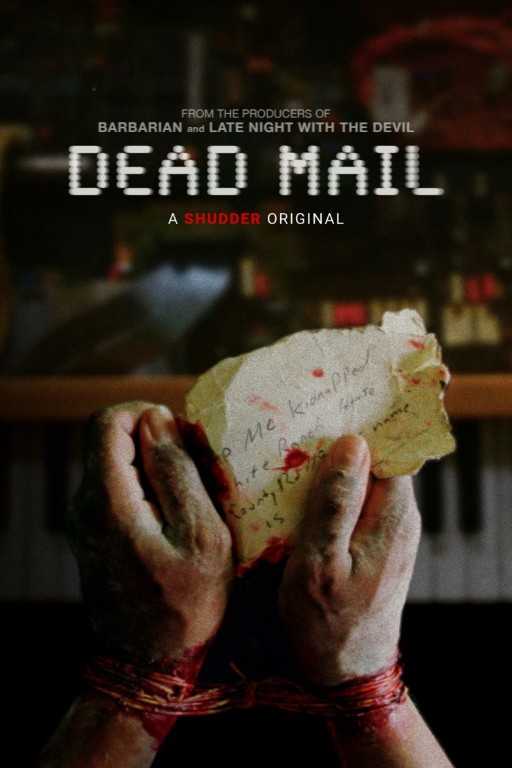
10. Dead Mail
This was another one I saw recommended on a few lists, and I’m really glad I decided to watch it, because I legit loved it. However, this is yet another film (like Reflection in a Dead Diamond) that only a VERY specific type of horror fan is going to vibe with. If you’re okay with a deliberate pace, a languid, lived-in feel, and an unsettling, retro atmosphere akin to maybe Osgood Perkins’s Longlegs or maybe even Kyle Edward Ball’s Skinamarink (although Dead Mail isn’t nearly that extreme or experimental), then you might be as into this as I was, but others should probably stay away. It’s more a mystery than horror, and presents itself at the end as though it’s based on a true story, though I’m not sure it actually is; it’s definitely giving more ARG energy. Oh, and I think this one also technically came out at some festivals in 2024, but fuck it.
Dead Mail opens with a beautifully bleak image that gets you immediately invested: a bloodied, desperate man crawling toward a lonely Midwestern mailbox, dragging chains behind him, forcing a hastily scribbled plea for help into its slot before a shadow closes in behind him. That haunting bit of mailed terror eventually lands on the desk of Jasper (Tomas Boykin), a seasoned dead letter investigator whose job is to reunite wayward correspondence with their senders. Jasper treats forgotten mail like sacred artifacts—peeling back faded ink, deciphering cryptic markings, and obsessing over every stray envelope that lands on his desk. But when this unusual, bloodstained note shows up, Jasper’s routine becomes something far more sinister and urgent as he tries to trace where it came from and what it means.
The film masterfully uses its 1980s setting—rotary phones, synth scores, and analog detective work—to build a suspense that feels both nostalgic and unknowably eerie. Through the chatter of coworkers Ann and Bess (Micki Jackson and Susan Priver, respectively) in the post office sorting room and Jasper’s meticulous investigations, the mystery branches outward like tangled string on a corkboard. Along the way, Dead Mail introduces us to a cast of oddball yet deeply human characters, each bringing texture to a story about connection, isolation, and the unexpected violence that can lurk beneath small-town life.
But the film’s weird heart isn’t just a postal puzzle—it’s a psychological descent into obsession and the quieter horrors of human loneliness. As the narrative pivots between Jasper’s hunt for answers and the strange backstory of Josh (Sterling Macer Jr.), a synthesizer engineer, and Trent (John Fleck), the man who becomes dangerously fixated on him, the movie turns into a slow, unsettling examination of longing, rejection, and the blurred line between devotion and madness. The synth-laden score, grainy visuals, and reverberating ambiguity make Dead Mail feel like a lost VHS nightmare unearthed from an 80s basement—familiar yet off-kilter, intimate yet full of dread. Fans of analog horror: don’t sleep on it.
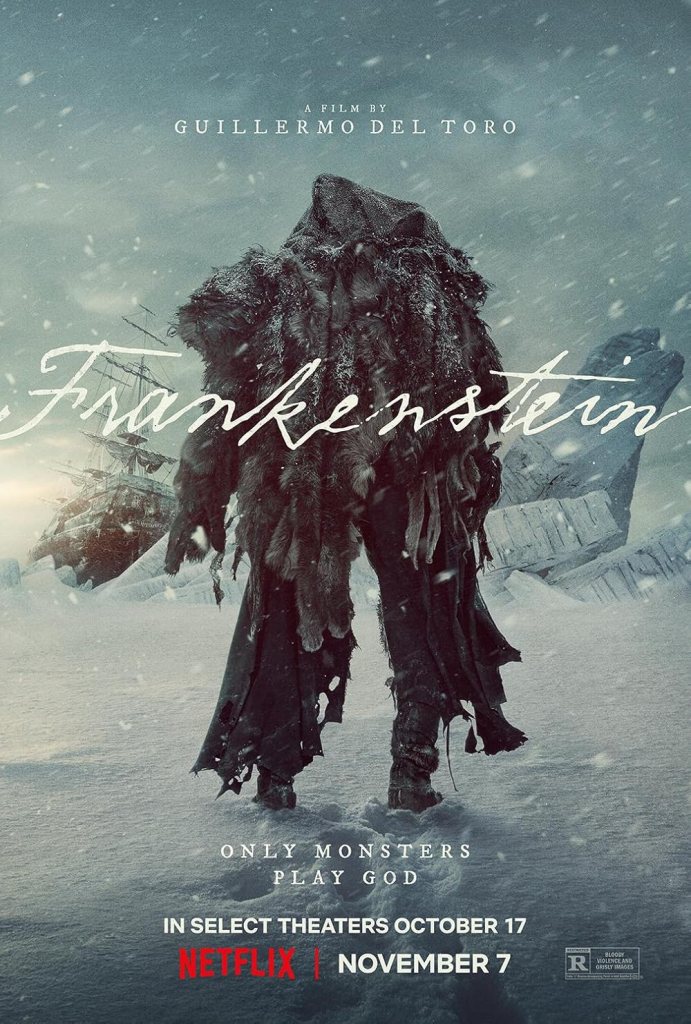
9. Frankenstein
I’m a del Toro fanatic, so I’ve been waiting for this like a kid waiting for Christmas…if Christmas involved corpses and lightning. And honestly? It’s everything I wanted: gothic tragedy, beautiful production design, and that signature del Toro sympathy for “monsters.” Taking some liberties with the source novel but sticking remarkably close to the spirit of the story, del Toro’s film is exactly what you’d expect, and that’s a very good thing.
The film opens in the Arctic with Victor Frankenstein (Oscar Isaac) collapsing onto an ice-locked ship, and then we spiral into his backstory—a haunted youth, an abusive father, and an obsession with conquering death that turns into full-blown moral rot. He creates the Creature (Jacob Elordi), and del Toro gives him what most versions don’t: true emotional weight. He isn’t a mindless brute—he’s a sorrowful, eloquent being who learns love, language, and rejection in a world that can’t stand to look at him.
Alongside the main characters, a superb supporting cast—including Mia Goth’s fragile yet fierce Elizabeth and Christoph Waltz’s unsettling industrial patron—adds layers of human complexity to a tale most of us thought we already knew.
It’s tragic, it’s lush, and it’s basically a story about responsibility—what happens when you make life and then refuse to own what you did. Del Toro understands that Frankenstein isn’t really about the monster. It’s about the guy who made him.
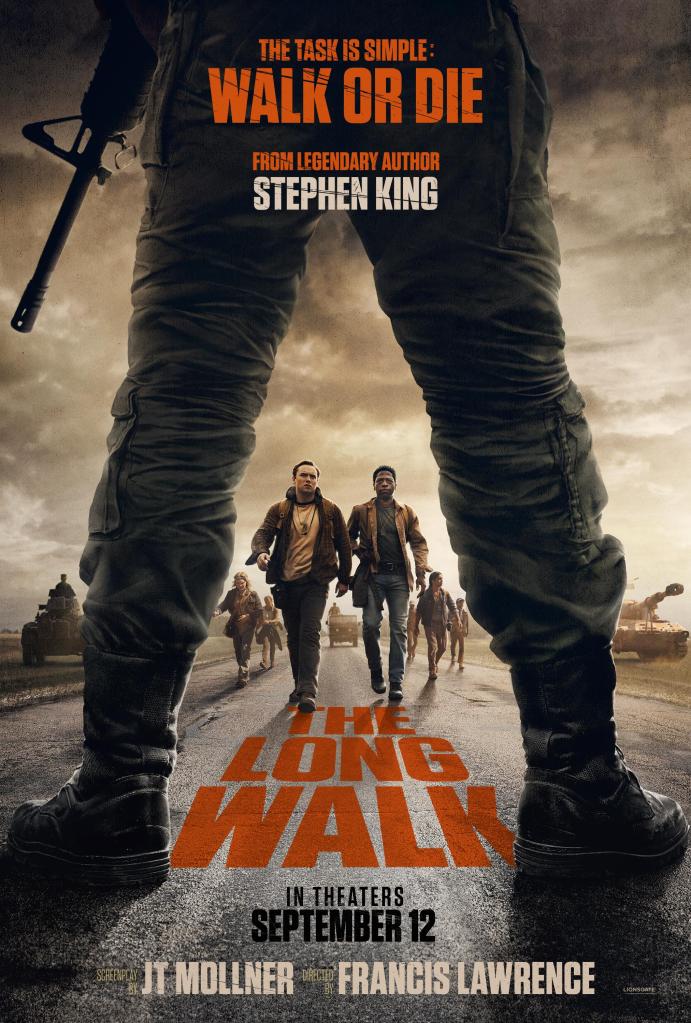
8. The Long Walk
Yet another long-awaited adaptation (this time of a 1979 Stephen King novel that was originally published under his pseudonym, Richard Bachman), The Long Walk finally arrived in theaters under the direction of Hunger Games helmer Francis Lawrence. You’d think a story about a bunch of teenage boys walking wouldn’t make for gripping cinema, but hoo boy, would you be wrong; the film adaptation was just savage and gut wrenching in the way good horror should be.
In a bleak, alternate-universe version of America frozen somewhere between the 1970s and totalitarian collapse, fifty teenage boys are chosen each year to compete in a brutal event known simply as The Long Walk. Their orders are chillingly simple: keep walking at a pace no slower than three miles per hour, day and night, for as long as they possibly can. Fall below that pace—even for a second—and you earn a warning. Rack up three warnings, and military sharpshooters execute you on the spot. That’s it. That’s the whole premise. And it’s horrifying.
Ray Garraty (Cooper Hoffman) meets fellow walkers like the cynical Peter McVries (David Jonsson) and earnest companions who range from hopeful to hollowed-out by the grind. Their conversations carry the film; it’s in the lulls between steps and the soft shift in someone’s voice that the dread sinks its hook deepest, turning everyday dialogue into existential dread and grotesque quiet terror.
The real fear isn’t in the executions, even though they’re horrific; it’s in the slow erosion. Watching these kids’ hopes, jokes, and personalities bleed out mile by mile is brutal. It’s existential dread disguised as a contest, and by the end you’re left thinking, “Yeah… I never need to watch that again,” which is basically a compliment in this genre.
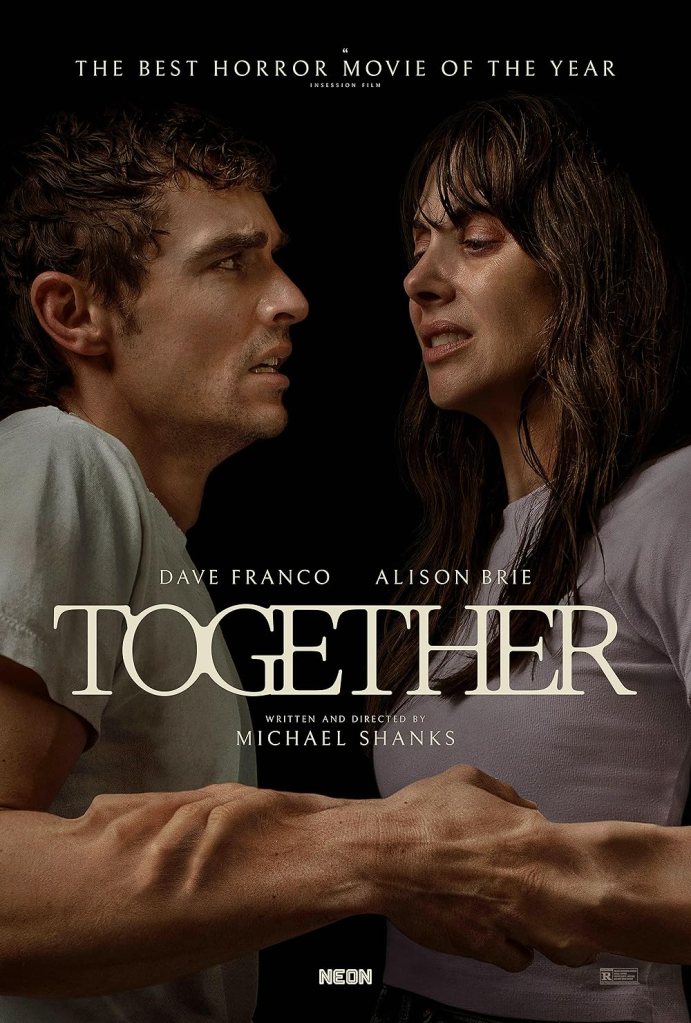
7. Together
This one turned up on a lot of people’s favorites lists, and I can totally see why; it’s a fantastic body horror film that in some ways goes in a different direction from last year’s The Substance (which was my second favorite film of 2024). Whereas Coralie Fargeat’s masterpiece was all about bodies as commodities, and how our worth is tied up in our youth and beauty and how we are perceived by others, Together examines the intimacy of long-term couples, and the way the participants begin to meld together (for better or worse) after a time.
The film was written and directed by Michael Shanks in his feature-length directorial debut and stars real-life couple Dave Franco and Alison Brie as the leads. Tim and Millie are far from love’s honeymoon phase—they’re a decade in, the kind of couple who finish each other’s sentences but secretly wonder if that’s because they’ve run out of their own thoughts. Hoping a change of scenery will fix what’s quietly rotting between them, they move to a remote country house that promises fresh air, open space, and the illusion of a clean slate. Instead, during a hike gone wrong, they accidentally fall into a strange underground cavern, and whatever they disturb there doesn’t just follow them home, it settles under their skin.
From there, Together turns body horror into relationship horror in the most literal way possible. Their bodies begin reacting to one another in ways that are sticky, painful, and deeply invasive—bruises bloom, flesh pulls, boundaries dissolve. Every grotesque physical change mirrors an emotional one: Tim’s neediness becomes parasitic, Millie’s desire for autonomy starts to feel like an act of self-mutilation, and the simple act of being apart grows increasingly difficult. This isn’t just “ew” body horror—it’s recognition horror, the kind that makes you think about the ways love can quietly eat you alive if you let it.
What really distinguishes Together is how mercilessly honest it is about intimacy. The film asks a brutal question and never lets go of it: how much of yourself are you willing to give to stay connected—and when does that sacrifice turn into annihilation? Franco and Brie sell every ounce of this descent, their real-life chemistry making the unraveling feel painfully authentic rather than theatrical. By the time the film really digs its claws in, you’re no longer just watching a couple fall apart—you’re watching the horrifying possibility that some relationships don’t end because people drift apart…they end because they get too close.
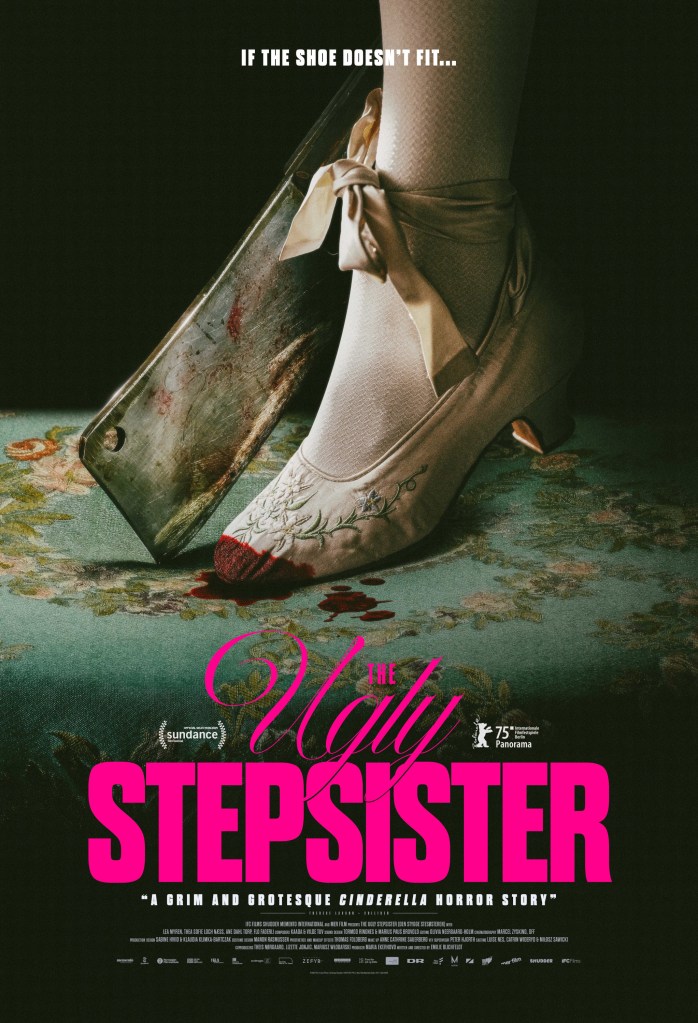
6. The Ugly Stepsister
Another body horror winner that takes a well-worn fairy tale and does all kinds of interesting things with it, the Norwegian film The Ugly Stepsister was a little bit of a dark horse, not getting nearly the attention of the year’s heavy hitters, but quietly sneaking its way onto almost every “best horror” list I looked at this year (and deservedly so). I did a longer review of this one, so I’ll try not to tread the same ground too much.
The Ugly Stepsister strips the sugarcoating off Cinderella and finds the rot beneath. We follow Elvira (Lea Myren), who gets pulled into a new household when her mom Rebekka (Ane Dahl Torp) marries into “better” circumstances. Then Elvira meets her new stepsister Agnes (Thea Sofie Loch Næss), who is effortlessly beautiful in a way that makes Elvira feel like a frumpy bridge troll by comparison. And in this world, beauty isn’t a just a nice thing to have—it’s survival.
Elvira dreams of the region’s Prince (Isac Calmroth) and the upcoming ball where he’ll choose his bride, but the path to the palace runs through a gauntlet of body horror that reads like nightmare. Rebekka pushes Elvira toward “improvement” like a zealot: broken noses, stitched lashes, medieval makeover methods that will make you clench your whole face in sympathy pain. It’s not just “ugly step-sister envy.” It’s a brutal little fairytale about social worth, and what people will let happen to themselves just to be chosen.
Elvira’s journey, in fact, is less “evil step-sister” and more a tragic anatomy of self-loathing, shaped by a society that prizes surface perfection and punishes anyone who doesn’t naturally conform. In that sense, we feel sympathy for her, but we also balk at the lengths she’ll go to in order to achieve her goals. It’s Brothers Grimm meets The Substance, with gore and black humor aplenty.
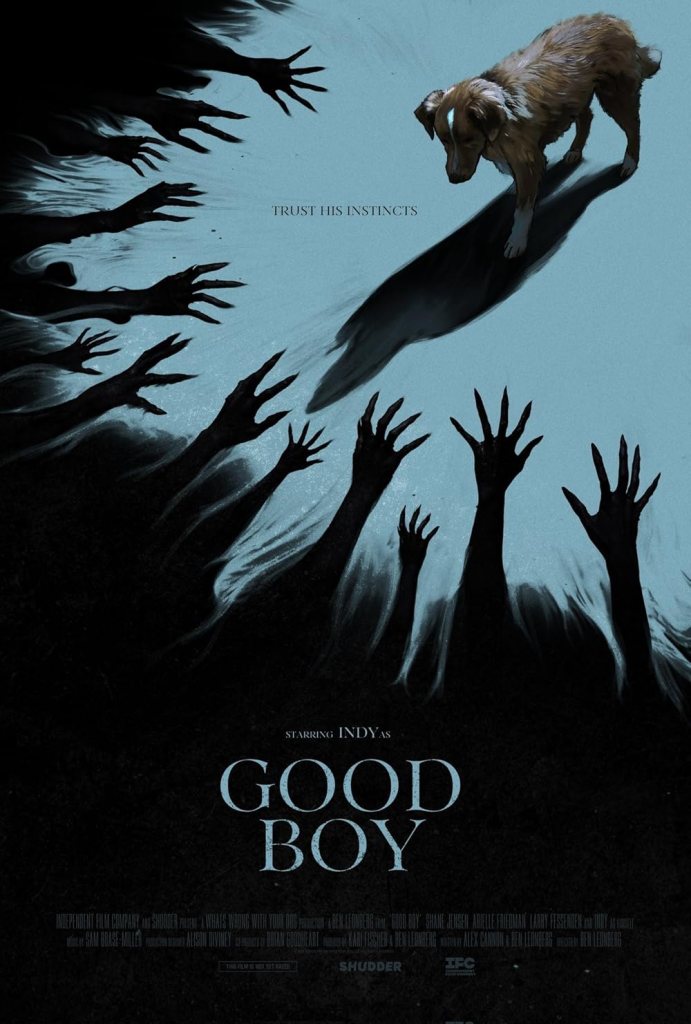
5. Good Boy
Now we’re getting into the top five, and I’m sorry to be boring, but mine are probably going to be really similar to most of the ones around the internet. What can I say? The masses aren’t always (or even usually) right, but this year, they overwhelmingly called it.
So imagine you’re pitching a haunted house movie that’s entirely from the point of view of a dog, and it isn’t a comedy. Probably most movie producers would laugh you out of the room (although maybe they wouldn’t; some really weird and/or stupid premises have been made into movies, after all), but I’ll be damned if Good Boy didn’t knock it out of the (dog) park. I’m sure that most of its excellence stems from the fact that writer/director Ben Leonberg cast his own Nova Scotia Duck Tolling Retriever dog, Indy, in the leading role, filming the movie on location over a three-year period so he could get the dog’s natural reactions without having to use CGI. Indy is easily the best part of the movie, more expressive and sympathetic than most human characters in film, and one you’re rooting for all the way through.
We follow Todd (Shane Jensen) as he impulsively moves into his late grandfather’s rural home with Indy, hoping for a fresh start. Instead, the place is full of wrongness: noises, shadows, and a dread that feels like it’s seeped into the walls. The low-angle dog POV makes everything feel bigger, stranger, and more threatening—like you’re living inside pure instinct. Indy doesn’t bark at nothing, he reacts to something the rest of us can’t yet see, sniffing empty rooms like they’re hiding malevolent secrets.
It’s emotional as hell too. Todd is dealing with illness and unraveling, and Indy is trying to protect him even though he can’t understand what’s happening—he only knows it’s bad. At its core, Good Boy is about loyalty under siege, about a bond so fierce that a creature who can’t speak becomes the most articulate character in the room. It was heartbreaking and resonant and awesome, and that dog deserves an Oscar (and no, I’m not joking).
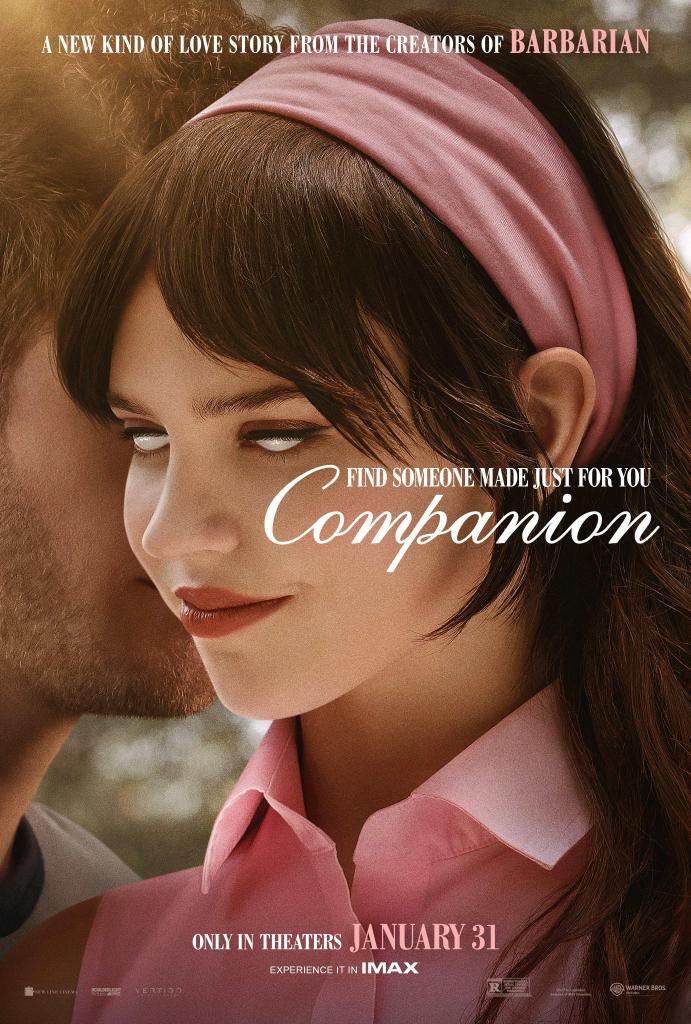
4. Companion
Called a science fiction thriller but definitely boasting some horror comedy chops, Companion was so much fun that it’s hard to believe it was a directorial debut (by Drew Hancock, also responsible for the TV series My Dead Ex).
It starts like a rom-com meet-cute: Iris (Sophie Thatcher) and Josh (Jack Quaid) meet in a supermarket, sparks fly, adorable vibes. Then they head to a weekend getaway at a fancy lakeside estate with friends, and everything goes sideways fast. Violence, weird revelations, and a social dynamic that turns into everything into a clusterfuck.
The twist hits early enough that I won’t dance around it: Iris isn’t who she thinks she is, and in fact is not even human but a sentient companion robot. And once the movie pulls that curtain back, it turns into this nasty little story about ownership, control, autonomy, and what happens when the thing you bought (or leased, in this case) starts wanting a life of its own. Sophie Thatcher is phenomenal here, and the movie is sharp enough to be scary even when it’s being funny. I’m not usually a big fan of “AI gone rogue” narratives, but this was an outstanding example of the trope done right.
3. Sinners
Can I just say how goddamn awesome it is that a film as grand, strange, genre-defying, and purely cinematic as this one ended up being a massive surprise hit, raking in $368 million bucks and earning awards out the wazoo, despite it clocking in at well over two hours, being set in the 1930s, and playing out as a gothic drama or character study for a substantial amount of time before revealing itself as a siege-style vampire film? Comparisons to 1996’s From Dusk Till Dawn were probably inevitable, but Ryan Coogler’s Sinners is a completely different animal, being less an endearingly trashy action horror and more a deep meditation on music and how it connects cultures through generations, and exploring vampirism as appropriation or assimilation of those cultures.
Michael B. Jordan plays twin brothers Smoke and Stack, who come home after World War I and a stint as Chicago gangsters to open a juke joint in the Mississippi Delta—a place for blues, joy, and community. But the movie takes that warmth and turns it into something darker: the music doesn’t just sing, it summons. The celebration becomes a siege when ancient vampires show up, drawn to the power of the music and what it represents.
Coogler doesn’t just make a horror movie—he weaves a mythic nightmare quilt out of it, as the town’s history and the supernatural begin to bleed into one another. What makes it special isn’t just the vampire carnage—it’s the way it uses horror as metaphor. The vampires feel like appropriation, hunger, exploitation. And the movie is ultimately about community under siege—not just by monsters, but by history itself. It’s gorgeous, sexy, tragic, and soaked in blood. A Southern Gothic turned up to eleven, and it earns every bit of the acclaim and conversation around it.
2. Weapons
I was a huge fan of Zach Cregger’s amazing 2022 film Barbarian (which I reviewed here), and the ambiguously creepy trailer for Weapons really cemented my need to see it as soon as possible. And sure enough, it ended up being one of my favorite films of the year, an eerie mystery that, like Barbarian, went in a whole bunch of unexpected directions that just delighted the shit out of me with every new twist and turn.
The setup is one of the best hooks I’ve seen in years: at 2:17 a.m. in Maybrook, Pennsylvania, seventeen kids from the same elementary school class quietly get up, walk out of their houses, and vanish into the night, arms outstretched like they’re playing airplane. One kid stays behind. The town loses its mind. Nobody knows why. Nobody knows where they went. It’s creepy in a way that feels primal.
Julia Garner plays the teacher, Justine Gandy, who becomes the focal point for suspicion and obsession, and Josh Brolin plays Archer Graff, a father spiraling with grief and rage. The film jumps around in nonlinear chunks, slowly building this mosaic of fear, blame, paranoia, and weirdness. And the best part is: it’s not just a mystery box. It’s a movie about what happens to a community when something impossible happens—how quickly people turn on each other, how fear turns into violence, and how no one knows what to do when there’s no answer to hang onto. Cregger sprinkles in touches of dark humor and bleak absurdity that feel eerily right, because a town in panic rarely behaves in straight lines. All that, plus it introduces Gladys, one of the most memorable villains in years; pro tip, don’t give her a bowl of water, even if she asks nicely.
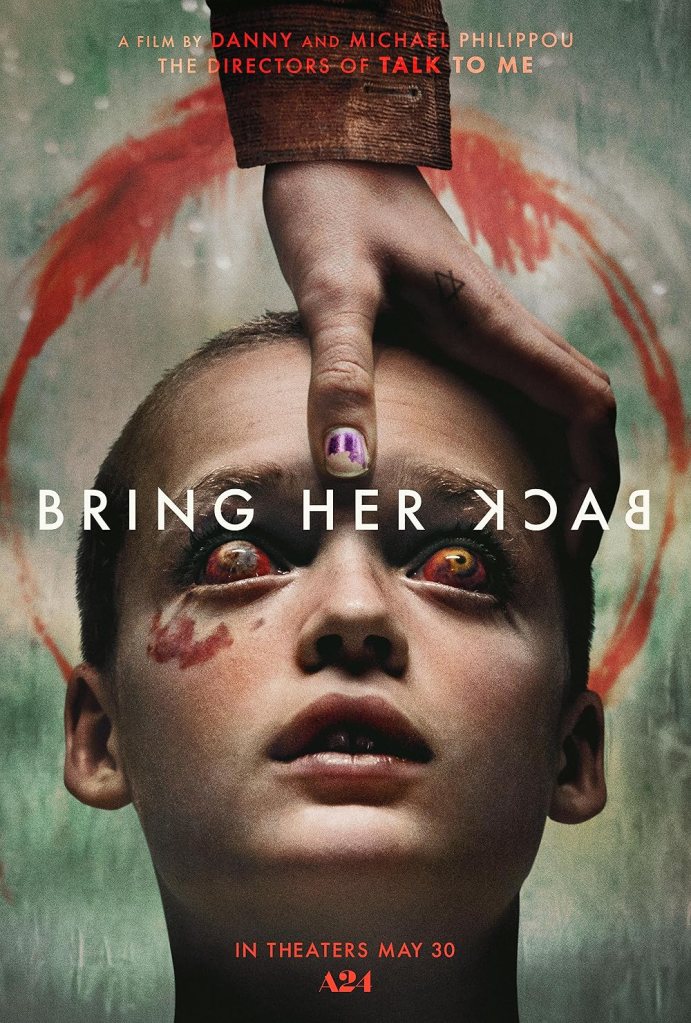
1. Bring Her Back
And it will probably come as no surprise that Danny and Michael Philippou’s Bring Her Back took the top honors this year; I saw lots of great movies, but this one just hit all the right notes. As I mentioned in my longer review of it, I wasn’t quite as high on the Philippou brothers’ earlier film, 2023’s Talk To Me, which I felt was slightly overhyped, but Bring Her Back was simply perfection, a grim quasi-folk horror with some unforgettable acting performances, devastating emotional beats, and gore scenes that had even my jaded ass averting my gaze.
After their father’s death, teenage step-siblings Andy (Billy Barratt) and Piper (Sora Wong) are uprooted from home and tossed into the foster system. Andy, nearly eighteen, is protective and simmering with loss, while visually impaired Piper is appreciative of his care but tougher than everyone around her realizes. The promise that they’ll stay together leads them to Laura (an incredible Sally Hawkins), a seemingly warm, folksy foster mother with something unsettling about her, and secrets she isn’t revealing.
What starts as an uneasy domestic arrangement quickly twists into something ritualistic and outright occult: ambiguous VHS footage of strange rites gives a clue, and then there’s an eerie foster child, Oliver (Jonah Wren Phillips), whose wide-eyed silence is disturbing to say the least. Laura’s fixation on Piper fuels the horror: what are her intentions, and what exactly is going on? The Philippou brothers take that setup and turn it into a story about power: who gets believed, who gets protected, and how easy it is for an adult to weaponize “care” as a form of control. Laura is a monster, but she’s terrifying because she seems so lovely and nurturing, while slowly rearranging reality around these kids to bring them into line with what she wants.
And although at its heart, Bring Her Back is a story about the horrific acts that grief can inspire, it also has a supernatural angle that’s really well-handled. One of the smartest choices is how the occult is presented: not as glossy “cinematic” demon stuff, but as recorded, repeated, studied behavior—the evil version of a self-help tape you keep rewinding because you’re sure the answer is in there somewhere. The VHS ritual component matters because it makes the horror feel replicable—like anyone broken enough could try it.
Everything about this film was impeccably done, and it was the one movie this year that stuck with me the longest, and most strongly reminded me why I love horror in the first place. Great shit, man.
Well, that will (finally) do it for 2025. Hope you guys enjoyed the list and didn’t find too much to argue with me about. Until next time, keep it creepy, my friends.
 The Scare Salon