
1981 was another banner year for horror, and as such, I had my work cut out for me again, having to winnow the list down to five entries from the initial fifteen I picked out. If you do the math, that means there are ten (!!!) honorable mentions, which might be the most so far. Here they are, in alphabetical order:
Dead & Buried: A tragically underrated and exceptionally original take on a zombie film—kind of—that also happens to have been written by Dan O’Bannon and Ronald Shusett, the masterminds behind Alien.
Friday the 13th Part 2: In my opinion, this is the best of the series, and the first in which Jason Voorhees is the actual killer, though he wouldn’t get his iconic hockey mask until the next installment. Also, Amy Steel is amazing and kick-ass as the final girl.
The Funhouse: Tobe Hooper’s creepy and entertaining slasher film set in a carnival.
Ghost Story: A substantially simplified but still pretty solid adaptation of Peter Straub’s brilliant novel, about a group of old men who are plagued by a sort of shapeshifting succubus who poses as different women.
The House by the Cemetery: Lucio Fulci’s spooky, gory, and vaguely Lovecraftian film, supposedly also loosely inspired by Henry James’s The Turn of the Screw, and the third in the director’s unconnected Gates of Hell trilogy. The dubbing on Bob is atrocious but somehow also endearing, and Dr. Freudstein is a great, gooey antagonist.
Ms .45: Probably my favorite rape-revenge film ever, Abel Ferrara’s brutal tale follows a mute woman who is raped twice in one day and then goes on a man-killing spree dressed like a nun. What’s not to love?
My Bloody Valentine: A fun Canadian slasher set in a working-class mining town, with some savage kills and a real commitment to its holiday theming.
Possession: I wrote extensively about Andrzej Zulawski’s classic here, but this is a must-see for lovers of bizarro arthouse horror fare.
Scanners: David Cronenberg’s seminal film about a low-key battle between factions of telekinetic people has lots more sci-fi-tinged weirdness to offer beyond its iconic exploding head scene.
Wolfen: A different kind of werewolf film, one that’s structured more like a crime thriller, this film is based on a Whitley Strieber novel and definitely needs more love.
And now, let’s part the curtains for the main event.
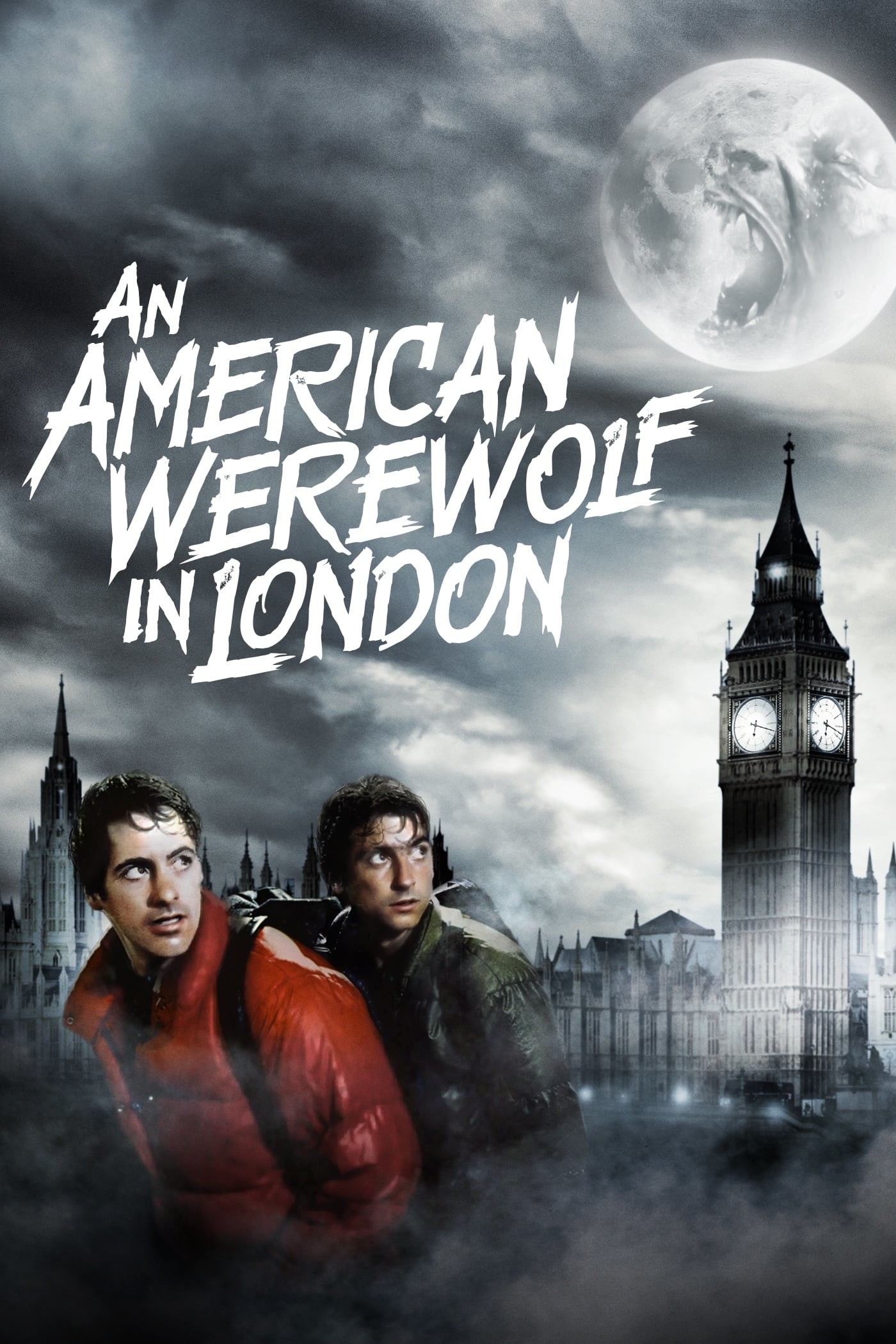
An American Werewolf in London
Yes, we have more werewolves (and we’re not done talking about them yet; there’ll be more of the furry fiends later on down the list), but of a more traditional bent this time. John Landis’s horror comedy never seems to age at all, and most of that is down to the absolutely stunning practical effects work by Rick Baker. The werewolf transformation in this movie looks just as incredible as it did back in 1981, and in my view, has never been topped.
AAWIL tells the story of two American friends, David and Jack (played by David Naughton and Griffin Dunne, respectively) who are attacked by a large animal on the Yorkshire moors during a backpacking trip through England. Jack is killed outright, but David survives his injuries, even subsequently developing a romance with his beautiful nurse Alex (played by Jenny Agutter).
While David is still recovering in the hospital, though, he starts getting unsettling visits from his dead friend Jack, who appears more decomposed every time he shows up. Jack warns David that the creature that attacked him was a werewolf and that David needs to kill himself before the next full moon to keep from transforming and slaughtering innocent people, but of course, David doesn’t really believe it. I mean, who would?
This is still an outstanding horror film; it’s gruesome, it’s darkly hilarious, and the sweet, burgeoning love story between David and Alex means that the story is tinged with tragedy as well. As I said, the transformation scene is a show-stopper, but there are several other bits that are just as noteworthy, including David’s scary dream sequences, and overall, this is easily one of the best werewolf films and one of the best horror comedies ever made.
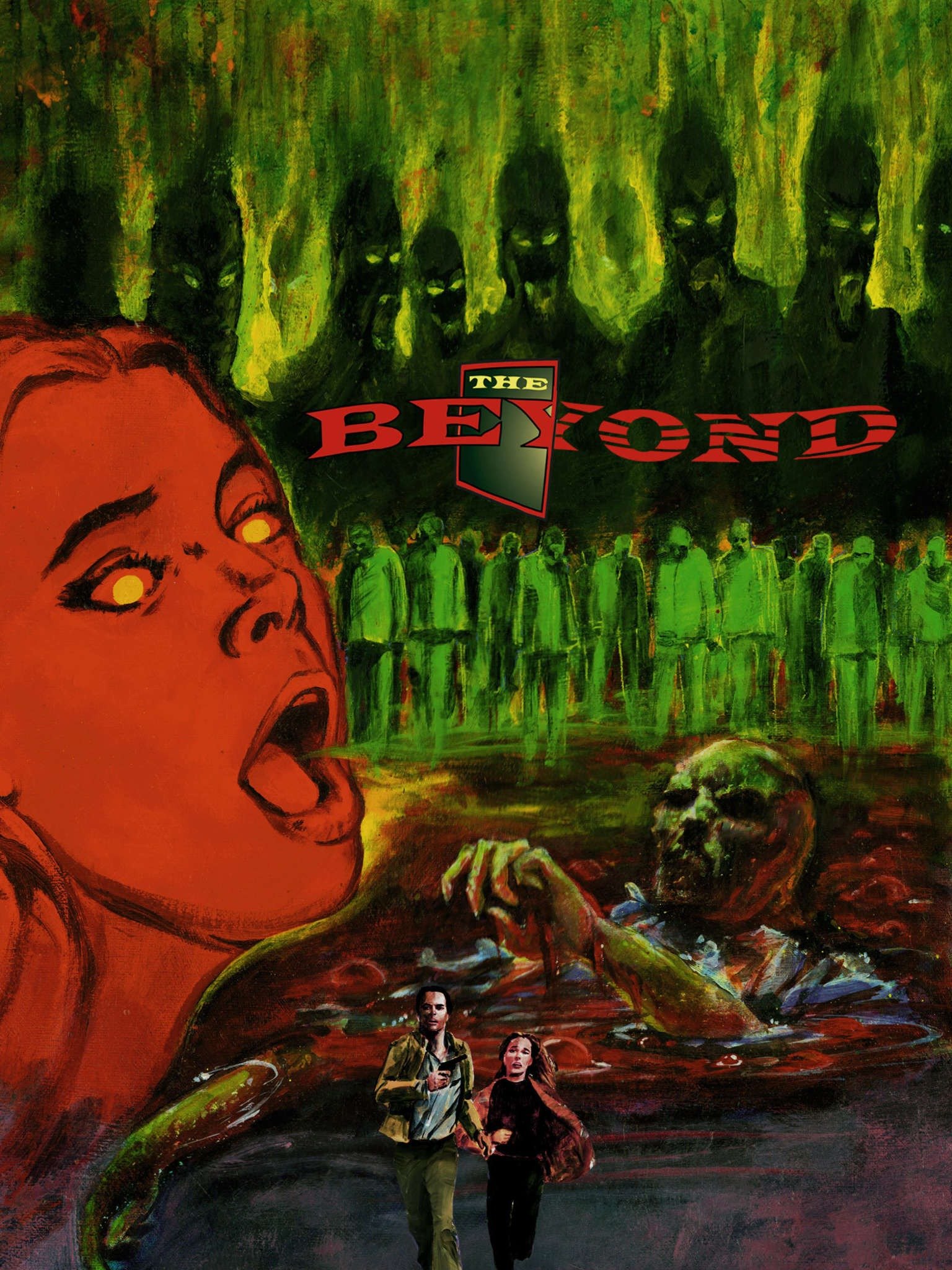
The Beyond
I don’t think most people would argue that The Beyond is Lucio Fulci’s magnum opus; it’s the most beautifully grotesque and unapologetically surreal of all his works, and is all the stronger for it. It’s also got elements of Southern Gothic, which I really dig a lot.
Although the plot of the movie isn’t really the point of the exercise, it does (sort of) have one. Apparently, back in the 1920s, a black-magic-practicing artist knows the whereabouts of one of the seven gates of Hell, which coincidentally happens to be located beneath the Seven Doors Hotel in New Orleans, Louisiana, where he lives.
The artist is later killed by a lynch mob because of his occult proclivities, but many years afterward, a woman from New York City named Liza (Catriona MacColl) inherits the place and plans to fix it up and reopen it. One day, though, she meets a white-eyed blind girl named Emily who tells her that would be a very bad idea indeed.
And it would appear that she is correct, for all manner of bizarre incidents begin to occur. For example, a couple of workers die, either by falling off a ladder after seeing an apparition, or by being attacked by a shambling corpse in the waterlogged basement. The architect who’s doing the hotel renovations also falls off a ladder in a library and is killed by a phalanx of tarantulas, because reasons. Emily herself, who may or may not really exist (don’t ask), has her throat torn out by her own guide dog, Dicky.
The upshot of it is that just as the Book of Eibon shown throughout the movie has predicted, one of the gates of Hell has opened beneath the hotel, an event that will soon lead to the end of the world. The final sequence of The Beyond, while somewhat WTF, is also terrific, as Liza and her helpful sidekick, Dr. John McCabe (David Warbeck) wander into a vast wasteland akin to the one painted by the artist from the beginning, implying that Earth is now Hell. How many horror movies can you name that end like that?!?
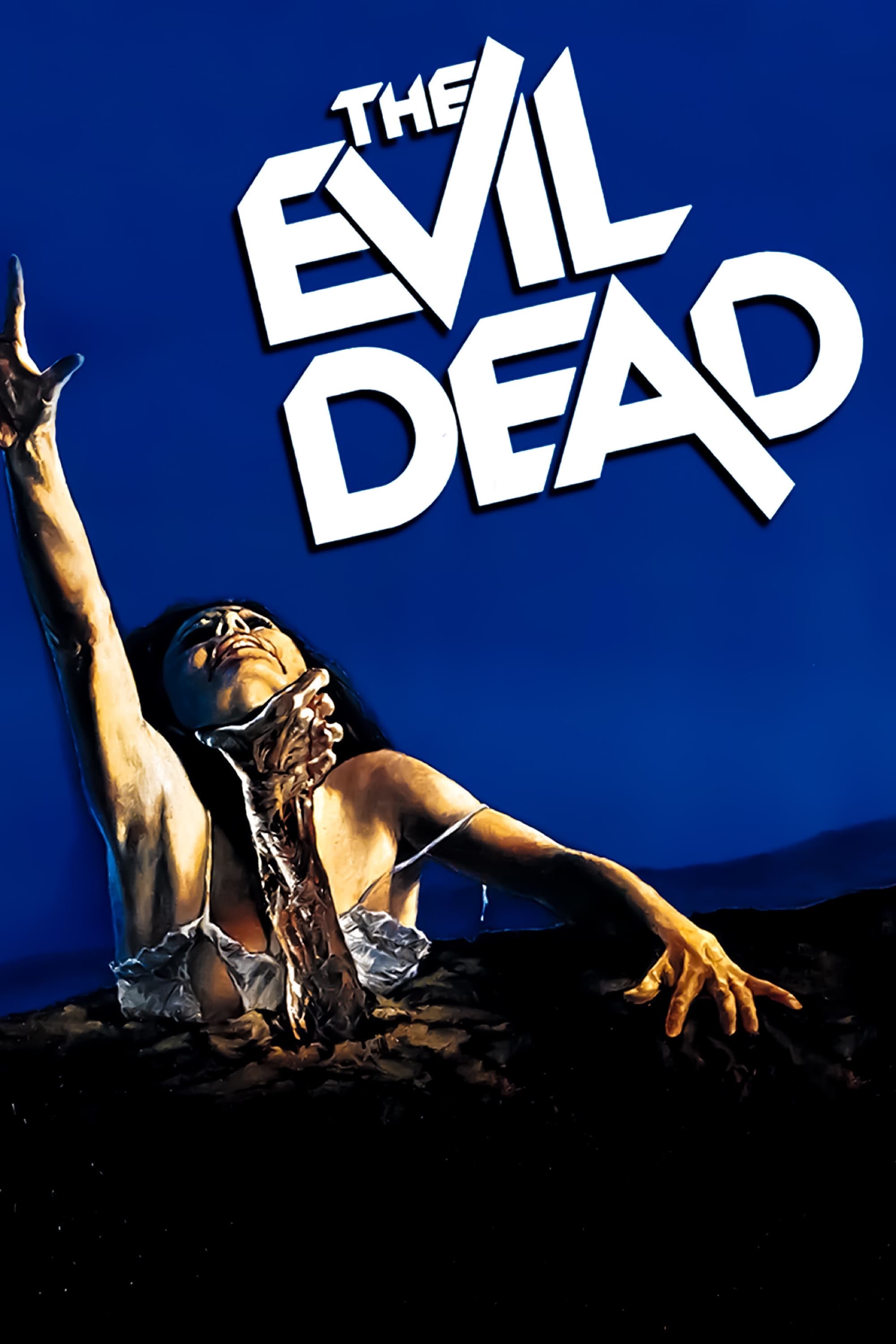
The Evil Dead
Sam Raimi’s no-budget classic really needs no introduction, and remains to this day a master class in what a group of wildly talented friends can come up with using only their creativity and enthusiasm for the horror genre. The original Evil Dead was so successful that it spawned (at this writing), two direct sequels, a soft reboot in 2013, a sequel to that in 2023, and the absolutely delightful TV series Ash vs. Evil Dead, which ran for three seasons and should be watched by every horror fan immediately. It also introduced the world to the national treasure known as Bruce Campbell, a fact which cements its place in history all by itself, as far as I’m concerned.
Although the story of The Evil Dead is simple in the extreme—a gang of young people on vacation at a remote cabin in the Tennessee woods fool around with occult forces they don’t understand and become possessed by demons—it’s the execution here that really shines. Brimming with crazy energy, the movie gleefully throws everything at the wall and sees what sticks. There are zany camera angles, fountains of grue, rudimentary but awesome stop-motion animation, and one incident of tree rape. Through it all, an exceptionally game Bruce Campbell, in his first appearance as horror icon Ash Williams, mugs amazingly for the camera and gets the shit kicked out of him by the demons that used to be his best friends.
The Evil Dead is cheap and homemade and it shows, but that’s part of its punk rock charm, and the movie’s unfettered exuberance makes it almost irresistible. Some would argue that the second film (nominally a sequel, but really more of a higher-budget remake of the first film) is better, and I might even be inclined to agree on some days, but it’s hard to fault the endlessly entertaining, DIY vibe of the original.
The Hand
Perhaps an offbeat choice, but this movie made quite an impression on me the first time I saw it as a kid, and it’s only risen in my estimation on every subsequent rewatch. Only the second directorial credit of the legendary Oliver Stone, The Hand is a striking psychological horror based on a novel by Marc Brandel titled The Lizard’s Tail.
A terrifying Michael Caine plays a famous comic book illustrator named Jon Lansdale, who found his fortune drawing a popular, Conan-like character called Mandro. Just lately, though, Mandro isn’t selling as well as before, due to changing times, and Jon’s publisher is thinking of bringing in a new artist to revamp the property.
And as if that wasn’t enough, Jon’s wife Anne (Andrea Marcovicci) is implying that she wants a separation; she apparently feels stifled by Jon’s controlling personality, and she’s even been exploring more of a new age lifestyle with her hunky yoga instructor, with whom she is also trading bodily fluids on the down-low.
Not long into the story, Jon and Anne are involved in a freak car accident in which Jon’s drawing hand is completely severed, and though attempts are made to locate the appendage, the wily little guy is nowhere to be found. Jon is fitted with a metal hook hand, but his bitterness at not being able to draw anymore, compounded with all the other upheavals going on in his life, causes him to go off the deep end and start believing that his severed hand is crawling around out there on its own, killing people Jon hates.
The movie leaves it relatively ambiguous as to whether the hand really is murdering people, or whether Jon is doing it and dissociating from his actions by attributing them to his former five-fingered friend. The final scene would seem to suggest the former, but also leaves enough plausible deniability to argue the latter. Whatever the case, The Hand is a sadly underseen movie detailing a descent into madness that also examines the repercussions when a man just brimming with very toxic masculinity can’t deal with his changing circumstances and lashes out in the most destructive way possible.
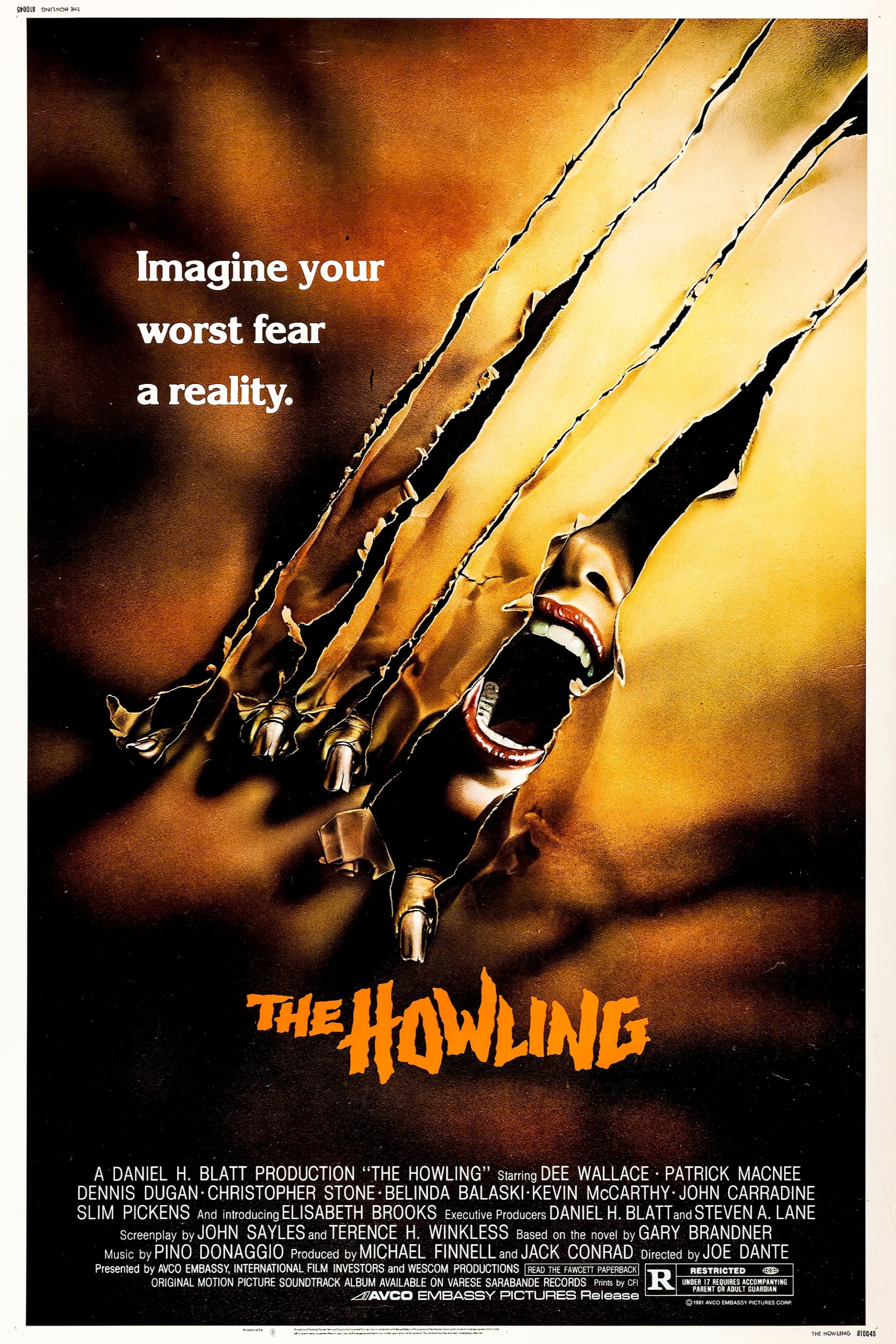
The Howling
I told you we were going to be talking about werewolves again, and here we are with another of the very best entries into the subgenre. Loosely based on a novel by Gary Brandner and directed by another horror legend, Joe Dante, The Howling also infuses humor into its brutal werewolf tale, but in a slightly different way from the previously discussed American Werewolf in London, edging more toward satire.
The effects here are also spectacular; as a matter of fact, Rick Baker was initially slated to work on this film but left to work on American Werewolf. Thereafter, effects work on The Howling fell to another genre stalwart, Rob Bottin, who would of course go on to do dazzling work on John Carpenter’s The Thing, Paul Verhoeven’s RoboCop, and many others.
The story concerns a TV newswoman named Karen White (Dee Wallace), who is being stalked by a serial killer and eventually agrees to act as bait in a sting operation to catch the murderer. After her harrowing experience, her therapist sends her and her husband to a secluded resort called The Colony to recover from the trauma.
Since this movie is called The Howling, it should come as no surprise that The Colony is a front for a pack of werewolves, one of which is the serial killer Karen believed she had narrowly escaped from.
Again, the effects work here is a standout; these werewolves are more of the big, two-legged variety, whereas the one from American Werewolf looked more like a traditional (albeit enormous) wolf that moved on all fours. Critical response to The Howling was mixed, though the film was a modest financial success and is now considered a minor classic, so much so that it generated seven (!!!) sequels, most of which were not all that great, and a comic book series. A few years back there was talk of a remake, but I don’t know if that ever went anywhere, and honestly, you can’t go wrong with the original: it’s a fun werewolf romp with loads of gore, stellar visual effects, some legitimately scary scenes, and a sly, sarcastic tone that really enhances the experience.
Well, one more year down, lots (and lots…) more to go! Stay tuned for the next installment whenever I get around to it, and until next time, keep it creepy, my friends.
 The Scare Salon